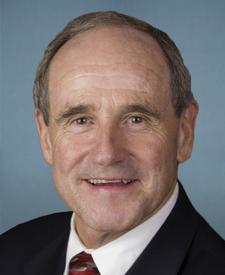
Senator for Idaho
James E. Risch
On 2 of 3 issues where both are on record, Risch voted the way they spoke. When control of the Senate changed, their position moved on 2 of 4 issues. They vote apart from the Republicans more often than 69% of ranked senators.
On consistency against party peers they could rank anywhere from 52nd to 72nd of 72. See the full ranking.
The three measures
Where Risch sits among all ranked senators
Each tick is one ranked senator. The grey bar is the median for Republicans.
Votes match own words
How closely their votes line up with what they said, issue by issue. 100 means every counted vote went the way they said.
Holds position when power changes
Compares their position while their party ran the Senate with their position while it did not. 100 means no change.
Votes apart from party
How far their votes sit from their caucus's average on the same roll calls. Descriptive only: neither high nor low is better.
Issue by issue
What they said, and how they voted
Issue match = 100 × (1 − gap ÷ 2). The headline score combines issues by how much evidence each has, then pulls thin records toward the Senate average. How every point is added.
When power changed
Their position in the minority, and in the majority
Issues where they have at least two records from each side. An arrow means the position moved when their party's status changed.
Every record
85 dated records, 2013 to today
Above each line: toward the issue's first position. Below: toward the opposite. Hover any mark for the record; click to open the source.
In their own words
Verified floor statements
Each quote was read from the Congressional Record and checked word for word against the page it came from.
“These tools will give the United States and our allies the leverage we need to force Russia back to the negotiating table and end this conflict.”
“I am going to urge everyone to vote no on this. It is wrong on so many levels, starting with the fact that a concurrent resolution process, which this attempts to do, has been held unconstitutional by the U.S. Supreme Court.”
“If it did happen, it would give tremendous aid and comfort to our enemy. I would sincerely urge all Members of this body to vote no.”
“Not only was the military action he took legally permissible under article II of the Constitution, but it was the President's duty to act.”
“Mr. President, I make a point of order--raise a point of order--that this joint resolution is not entitled to privilege under 50 U.S.C. 1546a due to U.S. troops not being engaged in hostilities.”
“As Commander in Chief, if the President sees a group of terrorists planning to harm America or our allies, he has the right--not only the right but the duty--to do something about it.”
“But this resolution sets a bad precedent for using the War Powers Act to express political disagreements with a President under expedited Senate rules.”